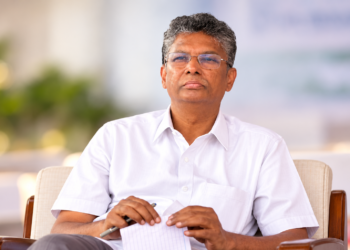

Belagavi South MLA Abhay Patil announced that talks with an unnamed IT firm are in the final stage, with the potential to generate roughly 2,000 jobs for local youth. The push aims to create employment within the city and curb the outflow of talent to Bengaluru, Pune and other metros.
Patil stressed that Belagavi’s goal is to create quality jobs within the city, stating, “Providing good opportunities in the city itself is our objective.” He expressed optimism that the prospective IT project will help keep local talent from moving elsewhere.
The MLA also highlighted the need for regular air links, urging the Centre to revive discontinued flights. He noted that Belagavi once had direct services to Udaipur, Jaipur and Chennai, and argued that such connectivity is vital for industrial and business travel.
A separate tourism plan proposes a ropeway to the historic Rajhunsgad Yellur Fort, estimated at about ₹60 crore. Patil said he discussed the scheme with Union Road Transport and Highways Minister Nitin Gadkari, aiming to improve access and boost the city’s tourism infrastructure.
Patil pointed to Belagavi’s religious, natural and historical tourism assets, noting that several projects in the Vaccine Depot area are nearing completion and slated for a November inauguration, which he expects will draw thousands of visitors daily.
He also raised concerns over the city’s 24‑hour water supply scheme, whose budget has swollen from the initial ₹240 crore in 2023 to roughly ₹588 crore, and voiced displeasure at the implementation delay.
Patil acknowledged repeated efforts to secure project approvals and thanked the late Union Minister Anantkumar for his cooperation in the matter.
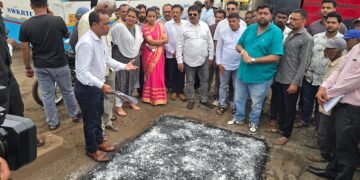
The report flagged coordination problems, noting that newly built roads are being excavated again for L&T‑related water pipeline work, causing inconvenience to residents.
The identity of the IT firm, the scale of investment, site location, timeline and the exact nature of the 2,000 jobs have not been disclosed, leaving the initiative at the discussion phase rather than a confirmed commitment.
Patil added that retaining IT talent will also depend on robust urban infrastructure, adequate commercial space and a supportive technology ecosystem alongside any individual company arrivals.