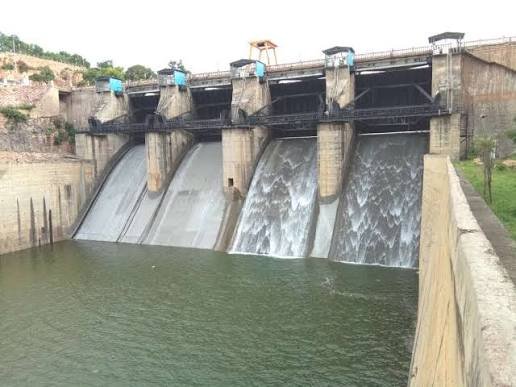
Belagavi authorities are preparing to reduce urban water supply by 10% and have urged the public to use water judiciously, as low storage at the Malaprabha dam poses a significant challenge for drinking water security in the Kittur Karnataka region. The reservoir, located at Naviluteertha in Savadatti taluk, currently holds only 14.29 TMC feet of usable water, excluding dead storage, which has raised concerns about its ability to meet demands until the end of summer.
Vivek Mudigoudar, Assistant Executive Engineer at Malaprabha Dam, stated that the reservoir has a maximum capacity of 37.73 TMC feet and supplies water to select villages and towns in Belagavi, Gadag, Dharwad, and Bagalkot districts. He noted that approximately 14 TMC feet of water is required exclusively for drinking purposes until the end of summer, excluding agricultural needs, and emphasized that available water is being managed cautiously. Water is released into the Malaprabha Right Bank Canal, Left Bank Canal, and a branch canal extending to Nargund, with the Right Bank Canal branching off about eight kilometres from the reservoir. Current discharge is less than 1,000 cusecs, but inadequate maintenance has allowed weeds and bushes to grow along several stretches. Allegations of illegal diversion by farmers near the head reaches have reportedly prevented water from reaching tail-end areas, causing distress in Nargund and Ron taluks of Gadag district and Badami taluk in Bagalkot district.
In contrast, the Hidkal dam on the Ghataprabha river in Hukkeri taluk offers relief, holding 39.98 TMC feet of usable water against a maximum capacity of 51 TMC feet. The Ghataprabha network includes the 109-km Left Bank Canal, 199-km Right Bank Canal, and 88-km Chikkodi branch canal. Officials report that around 60 cusecs is supplied daily to Belagavi, Hukkeri, and Sankeshwar towns, with additional releases for 15 days every two months. While officials estimate 35 TMC feet is needed for drinking water until summer’s end, complaints persist about water failing to reach tail-end areas.
Deputy Commissioner Mohammad Roshan assured that Hidkal’s storage is sufficient for drinking water needs until the end of summer. He stated that if reservoir storage is exhausted, the administration will arrange supply through tankers and hire private borewells to prevent shortages. Roshan added that dam water supply for irrigation has been stopped and an action plan is in place to utilize water from both reservoirs for drinking purposes. The administration has also appealed to the public to avoid wastage.