
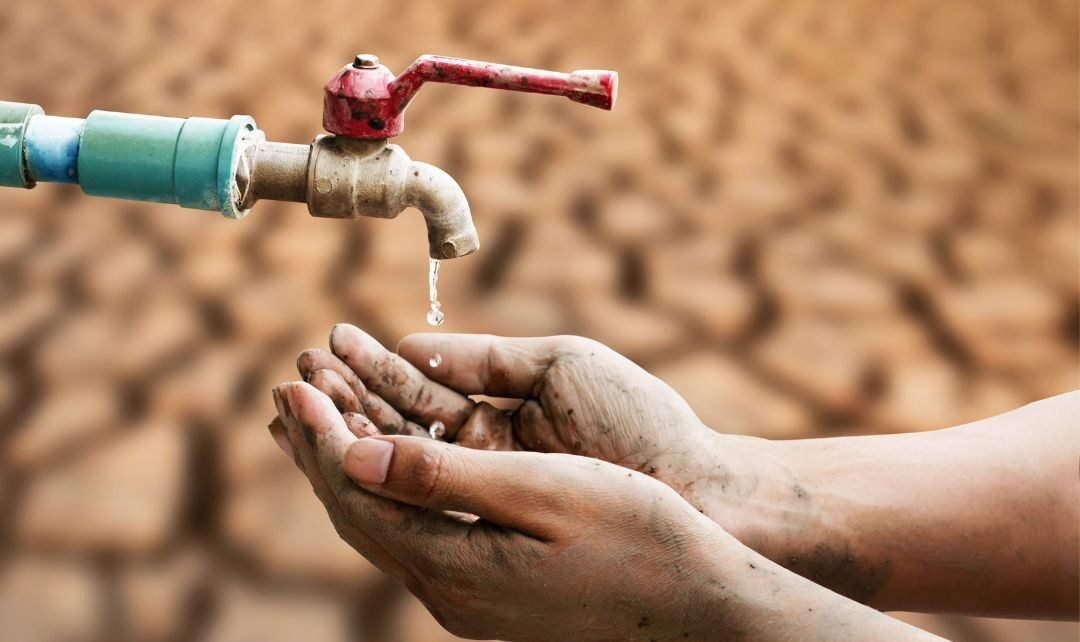
The impact of the dire water shortage is escalating in Gadag district, with seven rivers drying up in Belgaum district. Villagers, mainly women, are forced to travel considerable distances daily to fetch drinking water. Notably, the village of Badal Ankali in Belgaum taluk is witnessing severe water scarcity, compelling residents to search far and wide for clean water. Moreover, essential components for ensuring clean water, like purification units, are also affected by the severe water crisis.
In different sections of Belgaum, there are 12 RO plants encountering technical glitches and operational hurdles in purifying water. Over the last three years, these water purification units have been grappling, leading to a scarcity of potable water. Components initiated as part of the Smart City project, with a substantial investment, are now experiencing breakdowns. Citizens are expressing frustration towards the authorities for their failure to resolve the water issue.
In some wards, water is supplied only once a week by the municipality. Residents are expressing outrage against officials who have failed to repair the water purification units. Out of the 14 RO plants constructed by the Smart City and private companies, only two are operational. Despite the passage of three years, authorities have not taken any action on the remaining 12 plants.
Units have been installed in various areas such as Javatgalli, Bogarves, Srinagar Garden, Ambedkar Garden, Vadgaon, Tilakwadi, Shahapur, Shiv Basavangar, Ramteerth Nagar, Mahanteshnagar, Udyambag, and Sadasivanagar. However, only units at the DC office and Civil Hospital are operational.
Residents of Badal Ankalgundi village in Belgaum taluk are facing a water shortage. Every January, villagers struggle to find drinking water. During the monsoon season, villagers have to walk six kilometers to get drinking water as wells and reservoirs dry up. Currently, six borewells have dried up, forcing villagers to walk up to two kilometers from the village to fetch water.
Throughout the day, from morning until evening, someone from the family has to fetch water from the well. This task becomes a major responsibility, with children and women setting aside all other tasks to ensure the water supply. Some mothers even carry buckets on their heads to transport water, while others are seen fetching water on bicycles or motorcycles.