The Belagavi City Corporation is embarking on an innovative and bold initiative, establishing a power generation facility that harnesses the potential of wet waste. This groundbreaking project is scheduled for inauguration during the upcoming legislative session in December at Suvarna Vidhana Soudha (SVS), marking a significant milestone in the city’s journey towards sustainability. The roots of this remarkable endeavor were planted approximately eight months ago.
The construction of the plant has been successfully finished on land generously provided by the Agriculture Produce Marketing Committee (APMC), a total of 12 guntas, for this noble cause. The plant recently underwent a meticulously planned and executed trial run on a Monday evening, showcasing its remarkable efficiency and functionality. Once it reaches full operational capacity, it’s expected to generate approximately 200 units of power daily, which will greatly benefit the APMC yard. During the testing phase, cow dung was ingeniously employed as a renewable power source.
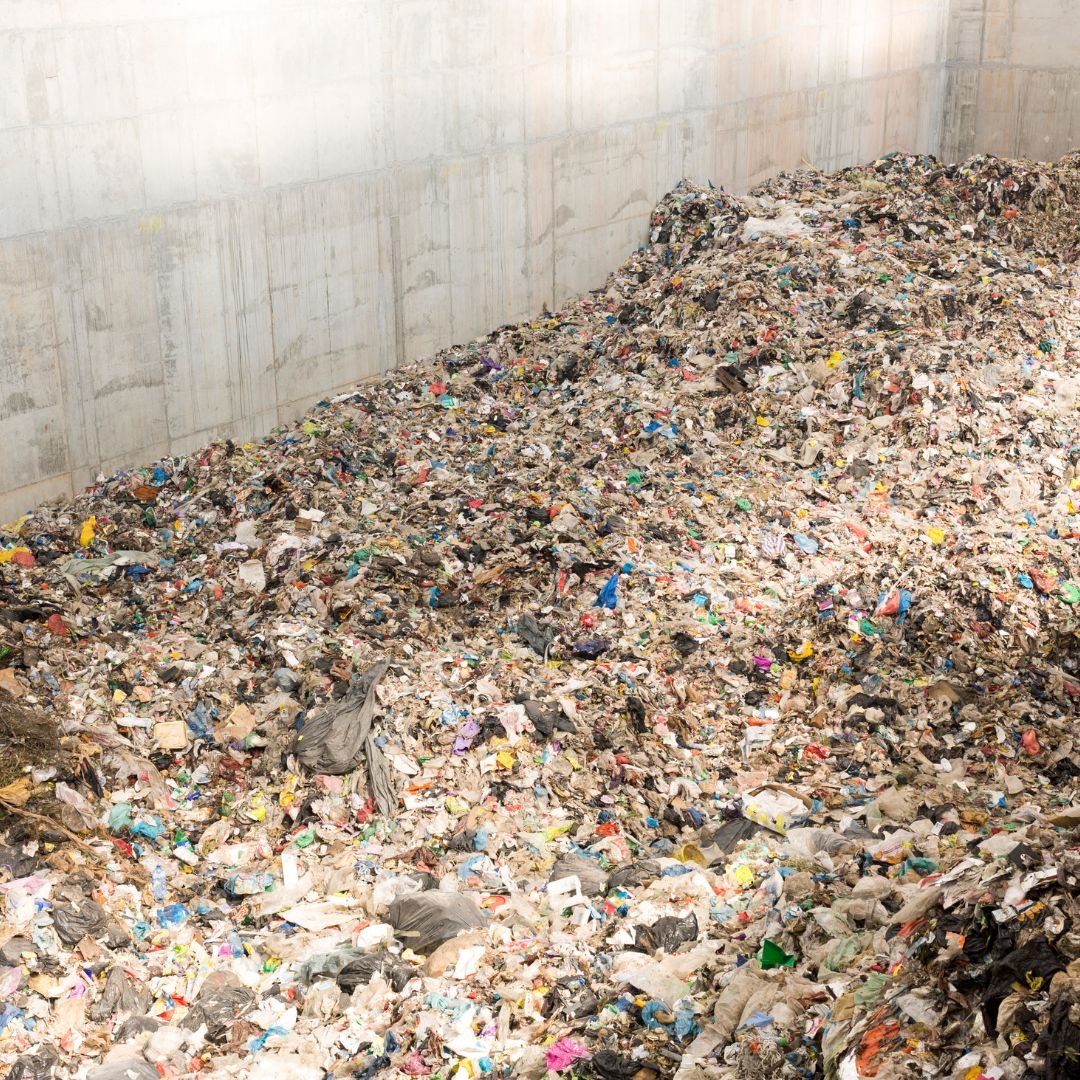
The Belagavi City Corporation has already accumulated an impressive five tonnes of cow dung and is actively securing an additional five tonnes to ensure the plant’s initial sustainability. After achieving stable operation, the plant will transition to utilizing wet waste, an abundant local resource. According to trustworthy sources within the BCC, the APMC yard generates a substantial amount of the required wet waste on a daily basis. Furthermore, with the city producing over 100 tonnes of wet waste daily, a steady and dependable supply of feedstock is guaranteed.
The water connection for the plant has already been established, and the BCC has submitted an application to Hescom for a power connection, including a transformer. If all goes according to plan, the plant is set to commence power production in the coming week.
Presently, the City Corporation operates three biogas plants in various parks across the city. The biogas generated from these plants is used for cooking food at Indira Canteens, night shelters, and government girls’ hostels. While this new power plant employs a similar technology, it employs different mechanisms and equipment, allowing the generation of electricity.