The district is witnessing a consistent increase in the adoption of electric vehicles (EVs), with more than 30,000 EVs added over the past three years. Growing environmental awareness and rising fuel prices are encouraging residents to shift towards electric bikes, autorickshaws and cars, reflecting a clear move toward sustainable mobility.
Consumers who were once reluctant to invest in battery-powered vehicles are now embracing them. The number of EVs in the border district has been rising annually, driven by concerns over fuel costs, air pollution, and the advantages of eco-friendly transport. Earlier hesitation due to unfamiliar technology and battery dependency has gradually faded, as improved designs and reliable performance have strengthened public confidence.
According to the Regional Transport Office (RTO) data, over 20,000 electric vehicles were registered in the district in the last three years. In addition, EVs registered in other states are also operating locally. More than 30,000 electric vehicles are currently plying under the jurisdiction of the RTO divisions of Belagavi, Chikodi, and Bailhongal.
Officials stated that around 5,300 EVs were registered in 2023, including over 5,000 two-wheelers, more than 130 cars, and over 100 autorickshaws. Registrations rose to 6,200 in 2024 and further to 7,000 in 2025. Two-wheeler sales alone have consistently ranged between 6,000 and 7,000 units annually over the last three years.
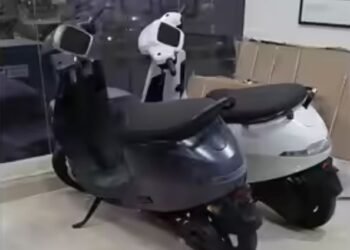
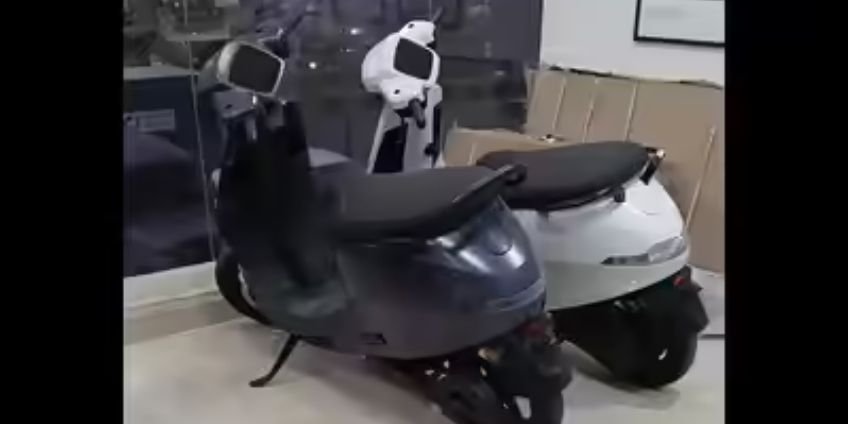
The number of EV showrooms across the district, including Belagavi city, continues to grow each month, with multiple companies introducing new models. From students and working professionals to small business owners, including hotel operators, EV adoption is widening. Delivery personnel have also benefited from battery-powered vehicles due to lower running costs and timely service efficiency.
Maintenance expenses remain minimal, and under the Gruha Jyoti scheme, home charging costs are significantly reduced due to free electricity benefits. Many buyers are also motivated by the environmental advantage of zero tailpipe emissions.
Commuters note that under the Shakti scheme, delays in bus availability have led some residents to opt for personal electric vehicles. Officials believe the upward trend is likely to continue.
Nagesh Mundas, an official of NWKRTC, said a proposal has been submitted to procure 200 electric buses. Meanwhile, in the Rajya Sabha on February 9, 2026, responding to an unstarred question by MP Iranna Kadadi, Union Minister of State Tokhan Sahu informed that 750 e-buses were sanctioned to 10 cities in Karnataka under the PM-eBus Sewa Scheme, with 100 allocated to Belagavi.