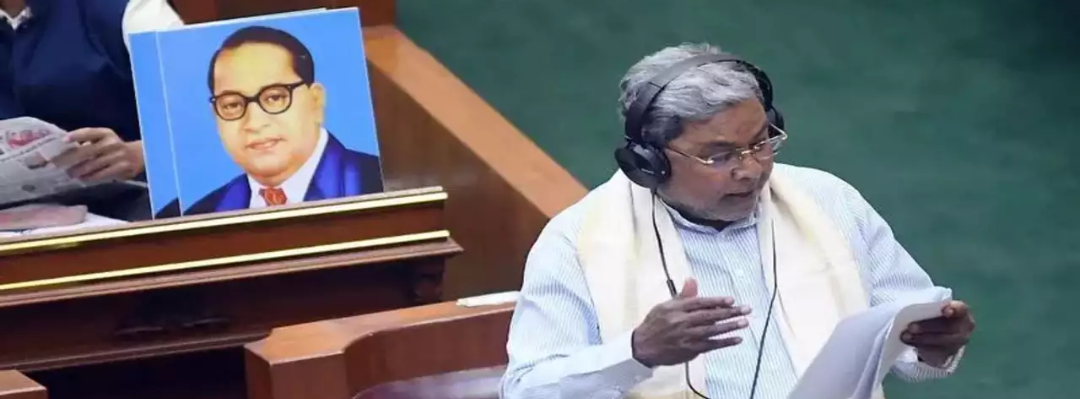
Chief Minister Siddaramaiah is navigating serious fiscal constraints as he works to allocate nearly Rs 10,000 crore for infrastructure maintenance and development projects, a commitment made during the Belagavi session of the state legislature. The major announcements on the session’s concluding day were Rs 4,000 crore for infrastructure in North Karnataka and Rs 2,000 crore for development across all 224 assembly constituencies, allocating Rs 20 crore to each. Additionally, 28 Bengaluru MLAs have sought Rs 50 crore each, a proposal Siddaramaiah hinted he might address through special grants.
However, the financial situation remains challenging. Despite strong tax revenue growth, the state is grappling with a rising debt burden. A mid-year financial review presented during the winter session highlighted a steep increase in liabilities, with the state’s total debt surging to Rs 6.6 lakh crore this fiscal year from Rs 5.8 lakh crore last year. 2024-25, the government has projected borrowings of Rs 1,05,246 crore, adding pressure to debt servicing. Of the Rs 62,552 crore needed for this, Rs 37,324 crore is set aside for interest payments, leaving just Rs 25,228 crore to repay the principal. Moreover, the estimated cost for the five guarantee schemes has jumped from Rs 52,000 crore to over Rs 63,000 crore, intensifying the fiscal strain.
Revenue Expenditure Soars
The state’s revenue expenditure is expected to rise to Rs 3 lakh crore, driven by committed expenses of Rs 1.1 lakh crore for salaries, pensions, and interest payments. “We are in a tight spot and must carefully balance our commitments made in Belagavi,” said Basavaraj Rayareddi, economic adviser to the chief minister. “Fortunately, rising tax revenues provide some flexibility to fund new promises without excessive borrowing.”
The 2024-25 budget initially projected the state’s tax revenue at Rs 1.9 lakh crore, but with tax collections growing at a robust 15%, the government is likely to exceed its target. Rayareddi suggested that this buoyancy could lead to increased government spending, pushing the budget outlay to Rs 3.8 lakh crore by year-end, up from the planned Rs 3.7 lakh crore.
Despite this positive revenue trend, the opposition has criticized the government’s financial management. “The state’s fiscal health remains stable because taxpayers are paying promptly, even after rate hikes,” said Aravind Bellad, deputy leader of the opposition in the Legislative Assembly. “But the government’s inability to control escalating committed expenses is creating a precarious situation.”