
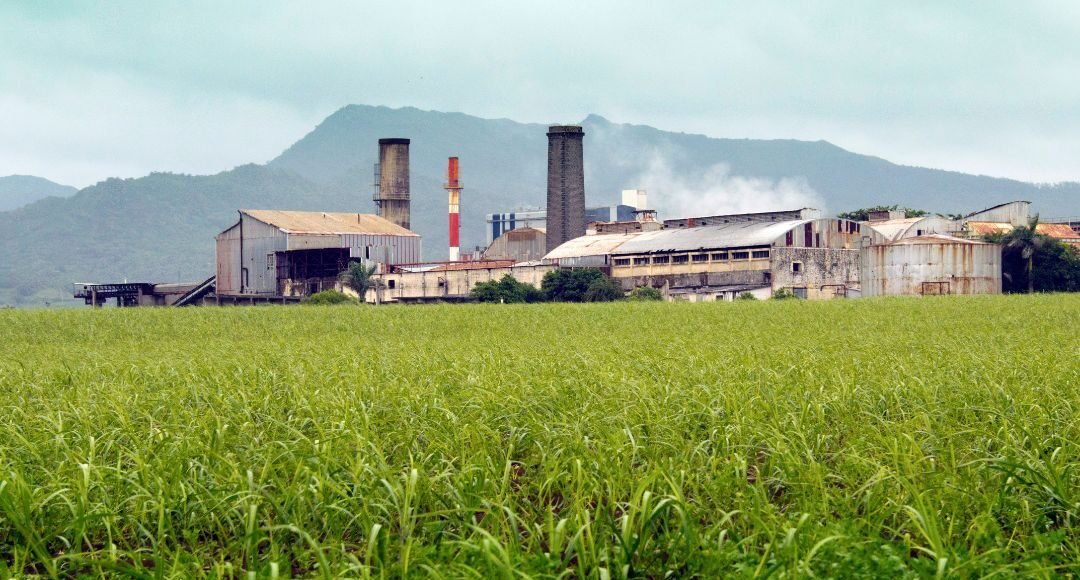
Another sugar factory in Belgaum is now under scrutiny by the Central Pollution Control Board (CPCB) for violating the Environment (Protection) Act, risking groundwater, following a closure notice issued five months ago to a sugar factory in Kalaburagi by the Karnataka State Pollution Control Board (KSPCB).
In a notice issued on June 20, the CPCB identified nine infractions committed by the Krishna Sahakari Sakkare Karkhane Niyamit (KSSKN) and inquired about reasons to keep the Athani factory operational before achieving full compliance.
Sugar factories fall under the category of “highly polluting” industries, as classified by authorities. Earlier this year, DH covered the postponed measures against a factory associated with BJP leader Basanagouda Patil Yatnal. Subsequently, a court injunction halted the shutdown directive.
Regarding KSSKN, the notice was issued following a CPCB inspection in February, during which the factory applied for ethanol production permission. The CPCB identified a significant violation: instead of treating effluent in the effluent treatment plant, the factory diverted it to a lagoon. Approximately five acres were converted into this lagoon, which was filled with effluent, ash, and press mud. Historical satellite imagery indicates that the lagoon has been present since 2019.
The sample taken from the lagoon revealed biochemical oxygen demand (BOD) of 976 mg per liter, chemical oxygen demand (COD) of 2856 mg/liter, and total dissolved solids (TDS) of 2949 mg/liter. According to the notice, these levels exceed the permissible standards for treated effluent, posing a risk of groundwater pollution from the stored effluent in the earthen lagoon.
During the inspection, one of the three bagasse boilers was monitored. The emission results showed that the particulate matter (PM) value was 6,843.28 mg per cubic meter, significantly exceeding the limit set by the KSPCB of 150 mg per cubic meter.
Other violations noted were the absence of a designated storage area for hazardous waste, failure to maintain a log book detailing quantities of used oil, fly ash, press mud, and sludge/solids generated, and non-functioning of a flow meter to monitor Effluent Treatment Plants (ETPs). The CPCB has provided the industry with a 30-day period to submit objections. Failure to comply may lead to enforcement action without additional notice, potentially including a closure order.
GM Patil, the Managing Director of KSSKN, stated, “I have not yet received the notice. We will consult with our advisor and reply accordingly.”