The final report by the Directorate General of Civil Aviation (DGCA) on the 2020 Trujet flight incident at Mysuru airport cites improper aircraft handling and inadequate Crew Resource Management (CRM) as the probable causes.
The DGCA concluded that the incident occurred due to a failure in managing the aircraft’s vertical path, poor CRM execution, loss of situational awareness, and a delayed go-around decision. The report emphasized that weather conditions also contributed to the incident, but confirmed that aircraft serviceability was not a factor.
Timeline of the Incident
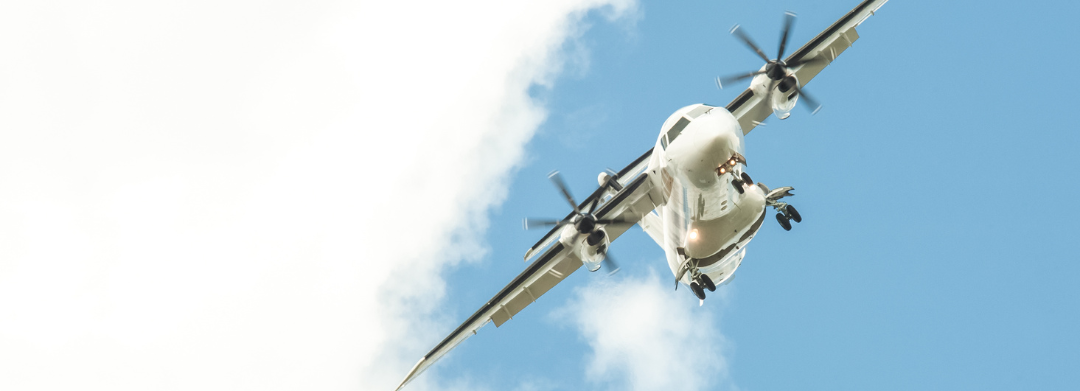
On November 16, 2020, a Trujet ATR 72 aircraft operating from Belagavi to Mysuru, carrying 52 passengers, was preparing to land at Mysuru airport. Just as the crew initiated a go-around, they believed the aircraft had made contact with the runway, and the go-around maneuver was executed simultaneously.
Due to unfavorable weather in Mysuru, the crew diverted the flight to its designated alternate—Chennai airport. During this diversion, the landing gear remained extended as the crew was unable to retract it.
The aircraft eventually landed safely in Chennai. However, during the landing roll, the crew noticed that the right wing was lower than the left. As a precaution, the aircraft was halted on the runway, and the crew requested assistance from Chennai ATC. All passengers safely disembarked on the runway, and the aircraft was later towed to a parking bay.
No injuries were reported.
The report also highlighted shortcomings in CRM during the approach and landing phases, noting a lack of effective communication, situational awareness, decision-making, and teamwork among the crew.