
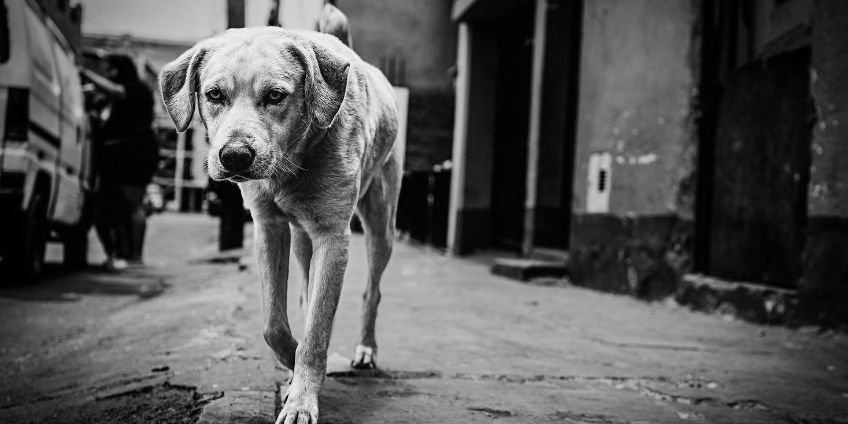
In a bid to tackle the rising stray dog problem, the Belagavi City Corporation has appointed a ward-wise coordination (nodal) officer across the city. The move comes in line with directives from the Supreme Court of India and instructions issued by the District Magistrate.
According to an order released by Municipal Commissioner Kartik M., health inspectors of each ward have been designated as nodal officers with immediate effect. Their responsibilities include registering stray dogs within their respective wards, identifying and marking designated feeding areas, and coordinating with the animal husbandry department and animal welfare groups to address the issue systematically.
The Corporation has also issued strict guidelines for residents, asking them not to feed stray dogs outside their homes. Feeding will be allowed only at the notified feeding zones, while feeding raw meat has been strongly discouraged. Health inspectors have been directed to carry out awareness campaigns at the ward level.
Observing that roadside garbage dumping has created “black spots” that attract stray dogs, the Corporation has prohibited the dumping of waste on roads and ordered regular daily waste collection. Violators will face action under the Karnataka Municipal Corporation Act and the Solid Waste Management Rules, 2018.
Hotels, as well as chicken and mutton shops, are under increased monitoring. Officials have been instructed to issue notices and ensure that waste from these establishments is disposed of properly. Penalties will be imposed on those found violating the rules.
Ward-level nodal officers have been asked to submit detailed reports every 15 days. Overall supervision of the initiative has been assigned to departmental environmental engineers, with Ashok Kumar Sajjan appointed as the chief coordination officer.
With frequent stray dog attack incidents causing concern among residents, public attention is now focused on the effective implementation of these measures. The Corporation has also directed officials to identify aggressive or dangerous dogs for referral to appropriate institutions and to shift stray dogs to shelters wherever necessary.