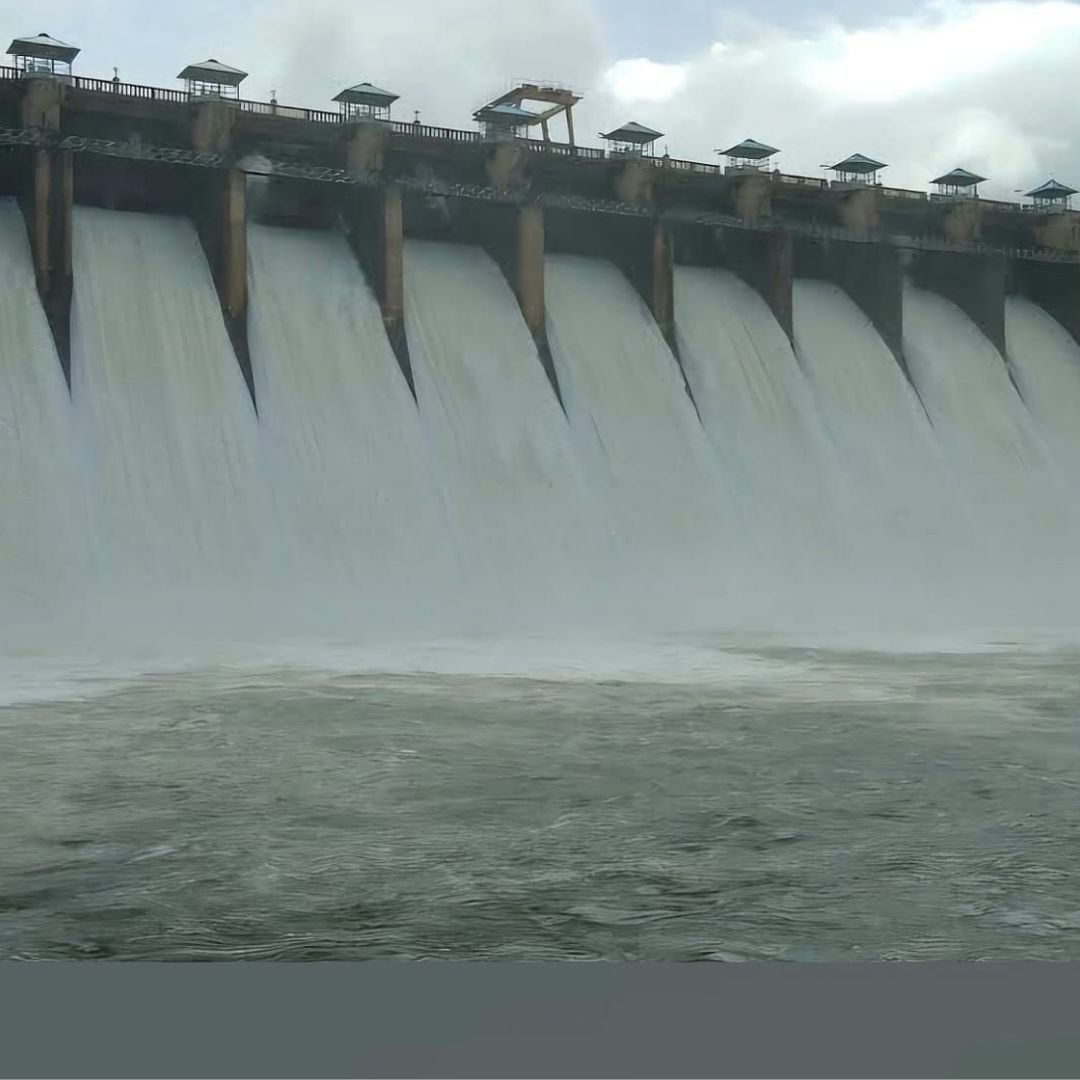
A project to divert water from the Ghataprabha reservoir to meet industrial demands in Hubballi and Dharwad has sparked mixed reactions from the community. With the Mahadayi project—designed to supply drinking water to these cities—still incomplete, many are questioning the government’s decision to prioritize this new initiative.
The Ghataprabha reservoir, located in Belagavi, a drought-prone district, holds 51 TMC and currently irrigates 308,326 hectares across Belagavi and Bagalkot. Despite its critical role, water from the reservoir is being redirected to support industrial needs in Hubballi and Dharwad. Officials assert that villages around the reservoir have not faced drinking water shortages during droughts, but concerns persist about the potential impact on local water security.
The plan involves transferring water from Hidkal village in Hukkeri taluk to the twin cities, a distance of 150 km. While the project moves forward, questions remain about whether Belagavi’s representatives formally approved the diversion, further fueling skepticism.
Compounding the issue are delays in the Ghataprabha Left and Right Bank Canal projects, initiated in 1980 but yet to deliver irrigation benefits to agricultural lands in Belagavi and Bagalkot. Belagavi city itself faces severe water scarcity, with residents receiving drinking water only once in ten days during the summer.
The stalled Mahadayi project, meant to channel water to Dharwad via the Malaprabha reservoir, has intensified the debate, with critics questioning the government’s focus on new projects while critical older ones remain unfinished. Calls for greater transparency and clarity on the new initiative’s details are growing louder.
As tensions rise, the government faces mounting pressure to address local concerns and strike a balance between industrial development and sustainable water management in the region.