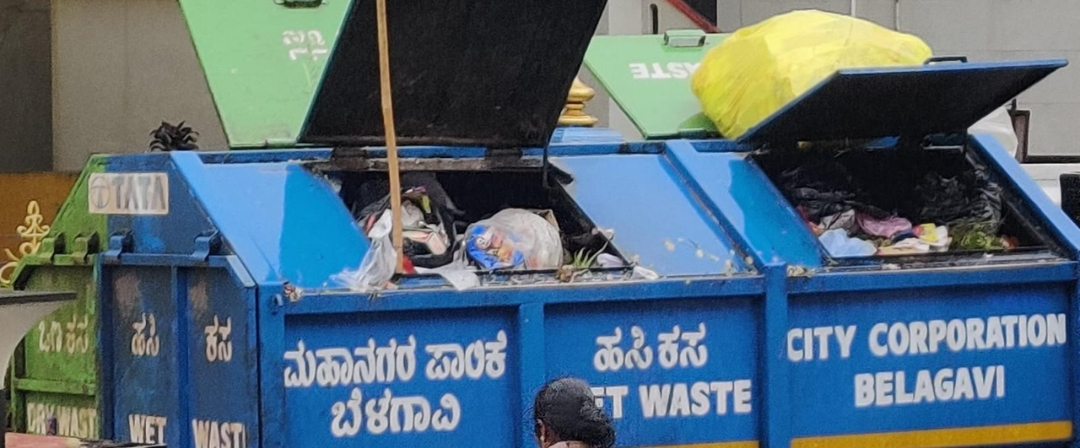
The Belagavi City Corporation has mandated waste segregation at source for all city households, with the rule already being enforced. Residents are required to separate wet, dry, and hazardous waste at home before handing it over to municipal workers during garbage collection. Municipal staff have been directed by the Health Department to reject unsegregated waste, and penalties will be imposed on violators.
This isn’t the first time the Corporation has attempted such an initiative. Eight years ago, green and blue dustbins were distributed to promote waste segregation, but the effort fizzled out within a month due to poor implementation. A recent directive from the Corporation Commissioner has revived the practice, making segregation compulsory once again.
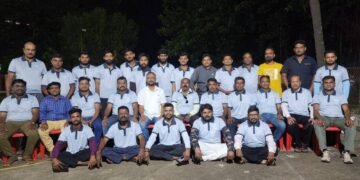
Municipal employees and sanitation workers across all wards have been tasked with ensuring compliance. Wet waste is processed at the Turmuri plant, dry waste is sent to cement companies for recycling, and hazardous waste is disposed of scientifically.
Following a city-wide inspection earlier this month, the Commissioner noted widespread non-compliance with segregation rules. This led to immediate orders for stricter enforcement, accompanied by awareness drives in all wards. Although initial resistance was reported, the Corporation’s policy of refusing garbage collection from non-compliant households has boosted participation.
Under the Solid Waste Management Rules, offenders face fines ranging from ₹50 to ₹500. The Corporation aims to sustain adherence to the rules and enhance the city’s sanitation standards.