North Karnataka, facing drought, faces the loss of 575 hectares (1,421 acres) of natural forest in Belgaum. However, the replacement land offered as compensation is fraught with encroachments, leading to intervention by the Union Environment Ministry.
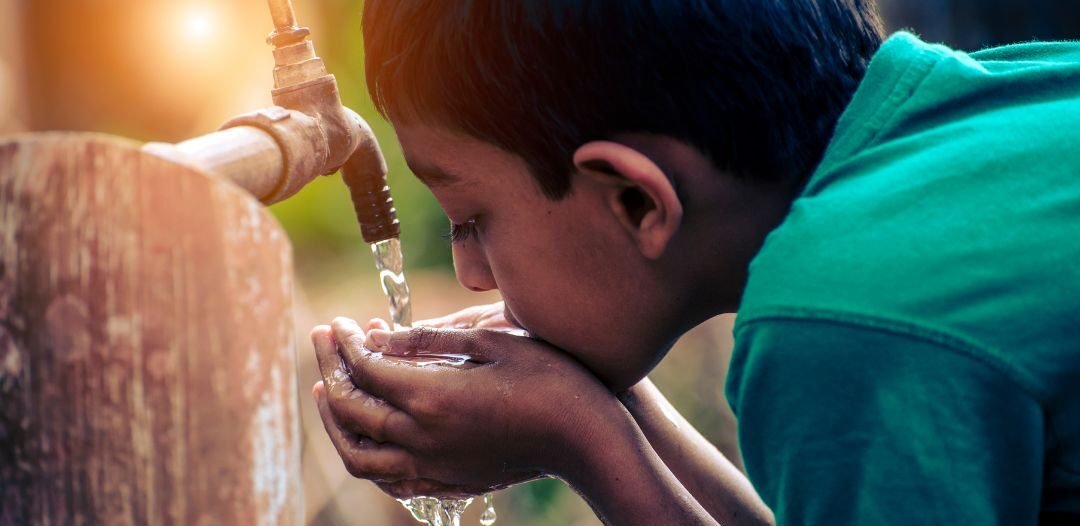
In 2020, the state government applied for clearance to utilize 575 hectares of forested area containing 75,581 trees. Over 90% of this forest land is expected to be submerged due to the reservoir created by the proposed Ghatti Basavanna Drinking Water Project. This initiative aims to harness 6 TMC (Thousand Million Cubic) of water from the Markandeya River, benefiting approximately 700,000 residents across four towns and 131 villages.
The deciduous forest supports 66 tree species and 16 species of wildlife. The project site lies within 3 km of the eco-sensitive zone of Ghataprabha Bird Sanctuary and 3.1 km from its boundary.
Karnataka Neeravari Nigam Limited (KNNL), the project proposer, acknowledges the project’s impact on wildlife and proposes a Rs 13.47 crore wildlife conservation plan to be implemented over three years.
Under the compensatory afforestation rule, the agency must provide equivalent land for forest land utilized. However, the land identified by KNNL in eight villages across Athani, Savadatti, and Gokak ranges faces complications, including encroachments.
The Ministry of Environment, Forest and Climate Change (MoEF&CC) flagged issues on June 10, noting encroachments on about 100 hectares proposed for compensatory afforestation. Despite pending approval, officials have already begun planting saplings in the proposed compensatory afforestation area.
The ministry also seeks clarification on labeling the project as a drinking water initiative when it includes drawing 0.50 TMC of water for industrial use.
Chief Conservator of Forests, Manjunath R Chavan, confirmed the forest department’s identification of encroachments during spot inspections and ongoing efforts to map out encroached areas.
Furthermore, the project requires approvals from the Central Water Commission and a rehabilitation plan for affected families. Belgaum experiences both droughts and floods, with the dam proposed to address drought issues in the region.