
Civil society organizations have voiced strong dissatisfaction and frustration regarding the visit of approximately 75 foreign delegates from 23 countries to India for a study tour of the Lok Sabha elections. They assert that the visit seems to be orchestrated, controlled, and lacking in authenticity.
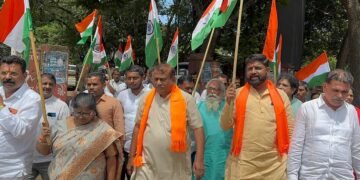
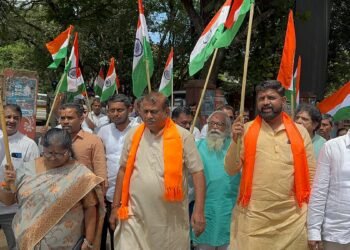
In Belgaum, representatives of Yeddelu Karnataka, a coalition of social and political activists, condemned the district administration for denying them permission to meet with members of the delegation that visited Belgaum and Chikkodi, where elections took place on Tuesday.
A delegation of activists approached Belgaum Deputy Commissioner Nitesh Patil, seeking permission to meet with representatives from five foreign countries who were in Belgaum on Monday and Tuesday. However, Patil declined the request, stating that he lacked the authority to grant such permits.
Siddagouda Modagi, a farmer leader and member of Eddelu Karnataka, informed reporters that they had informed the Deputy Commissioner that they had legitimate concerns regarding the election process overseen by the Election Commission of India. They expressed their desire to communicate these concerns to the foreign delegates, but the Deputy Commissioner did not heed their request. Instead, he advised them to file complaints with the ECI or approach the Supreme Court. Consequently, they decided to draft a memorandum addressed to the Deputy Commissioner, requesting him to forward it to the foreign delegates.
The memorandum criticized the Election Commission (EC) for its failure to ensure fair and impartial elections, alleging negligence in its duties. It raised concerns about the biased process of appointing the Chief Election Commissioner, which undermines the EC’s independence. Additionally, it pointed out selective enforcement of the model code of conduct, with complaints against the ruling party often disregarded, and issues regarding Electronic Voting Machines (EVMs) left unaddressed. Moreover, it highlighted the EC’s inaction against speeches by leaders, such as the Prime Minister, promoting hate and divisive politics targeting specific minority groups. It also mentioned instances like the arrest of chief ministers and the freezing of opposition party accounts, where the EC allegedly did not take appropriate action.
In response, Ashok Sharma, a retired IFS officer, and MG Devasahayam, a retired senior IAS officer from Bengaluru, conveyed to TNIE that the decision to bring the delegates was to demonstrate public confidence in the electoral process. However, they questioned why civil society groups were being excluded, especially since it’s purportedly the largest delegation of foreign delegates visiting to independently observe the electoral process. They noted that civil society groups had expressed interest in meeting the delegates but were denied the opportunity.